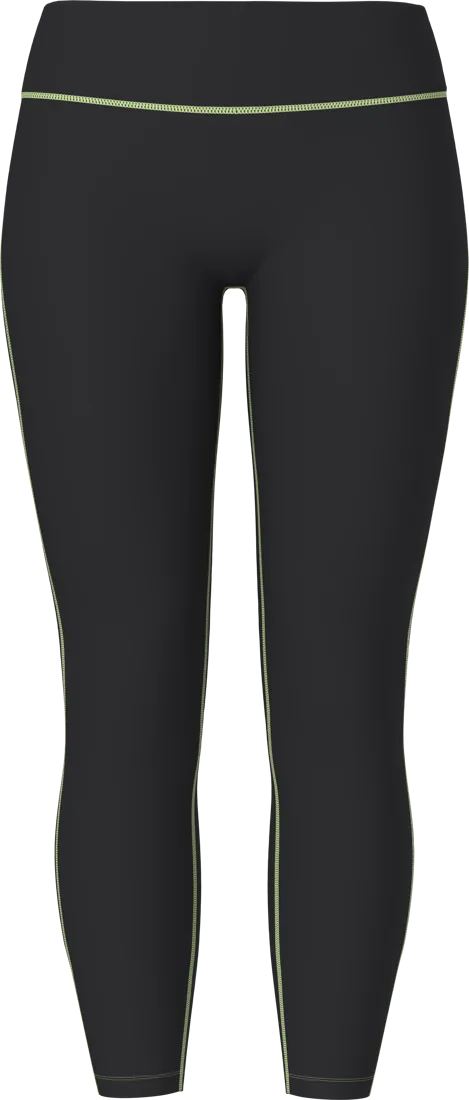
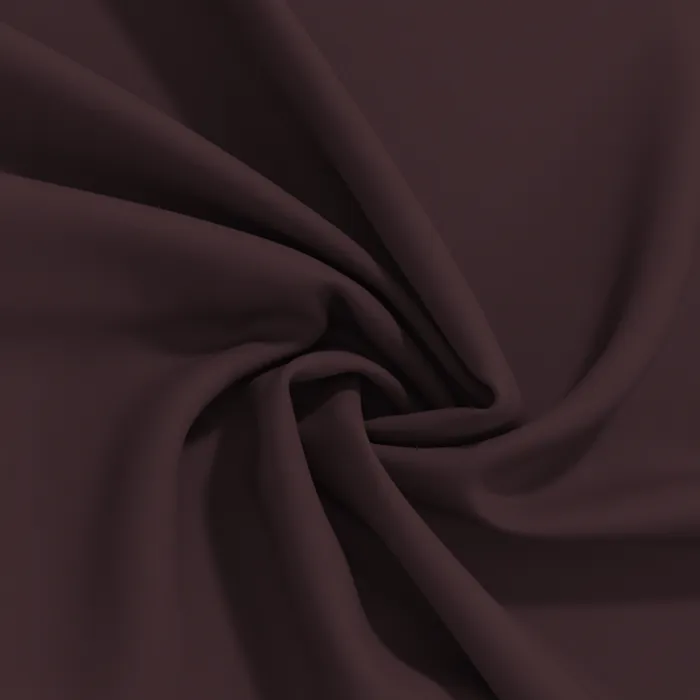
Fabric pilling is the small balls of tangled fibre that form on the surface of a fabric where it is rubbed. On a legging, it shows up in one place, and it is almost always the same place: the inside of the thigh. That location is the best clue to what causes pilling, and to how you prevent it before a style goes into production.
What is pilling in fabric?
Every fabric has fibre ends on its surface. When the surface is rubbed, friction pulls some of those ends further out, and they twist around each other into a small knot: a pill. Whether the pill stays or breaks off depends on the fibre. Weaker fibres tend to snap and fall away. Strong synthetic fibres like polyester and nylon hold on, so the pill stays anchored to the fabric and keeps collecting more fibre.
That is why pilling on activewear is mostly a surface question. The pills are not a sign that the fabric is wearing through. They are fibre ends that were free to move and had something to rub against.
Why leggings pill on the inner thigh
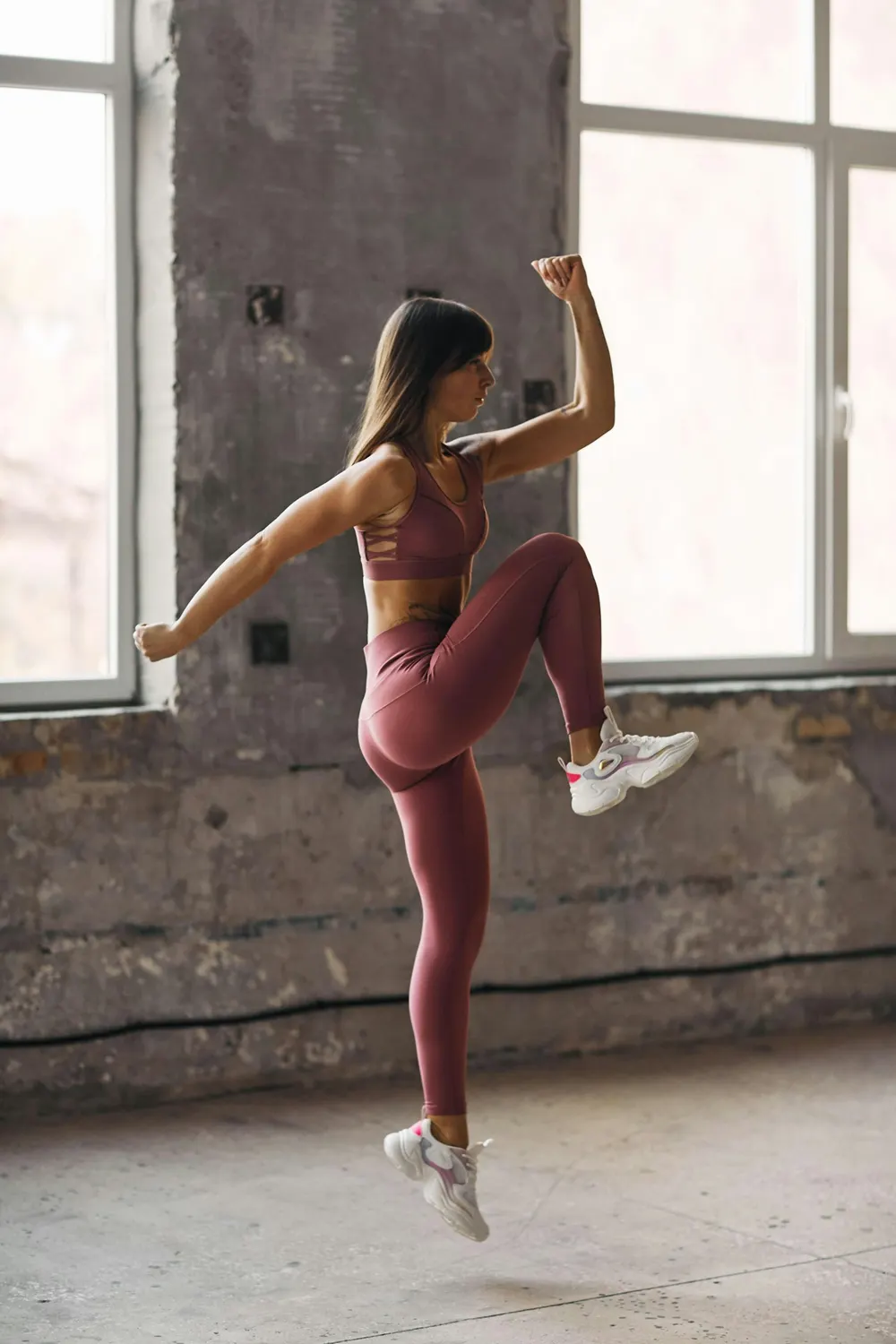
Everywhere else on a legging, the knit rubs skin or air. Between the legs it rubs itself: two faces of the same fabric, in the same spot, thousands of times over a run or a walk. So pilling on leggings is a location problem before it is a fabric problem. A fabric that looks fine on the outer leg can pill badly on the inner thigh, because only that zone gets fabric-on-fabric friction.
It also explains why a pilling complaint rarely comes with a hole. The inner thigh is where the face gets lifted, not where the fabric gets worn through.
What causes fabric pilling
Friction can only lift fibre ends that are already there. So what decides the result is the face of the yarn, rather than the price of it.
- Filament vs spun yarn. A filament yarn is made of continuous fibres, with very few loose ends on the surface. A spun yarn is made of short fibres twisted together, so it has ends everywhere. A flat filament face gives friction nothing to grab.
- Brushed, peached and heathered faces. Brushing and peaching raise fibres on purpose, for a softer hand. Heathered and melange yarns often mix fibres with different lengths. All of them hand over more fibre ends. If you want the soft touch, test that fabric for pilling specifically. Our guide to brushed vs peached fabric explains the difference between the two finishes.
- Knit structure. A tight knit holds its fibres in place. A looser, more open knit lets them move and work their way out.
- Fibre strength. As above: the stronger the fibre, the longer a pill stays attached. This is why polyester fabric pilling is so visible. Polyester does not pill more easily than weaker fibres, but its pills do not fall off.
Pilling vs abrasion: the number most brands check is the wrong one
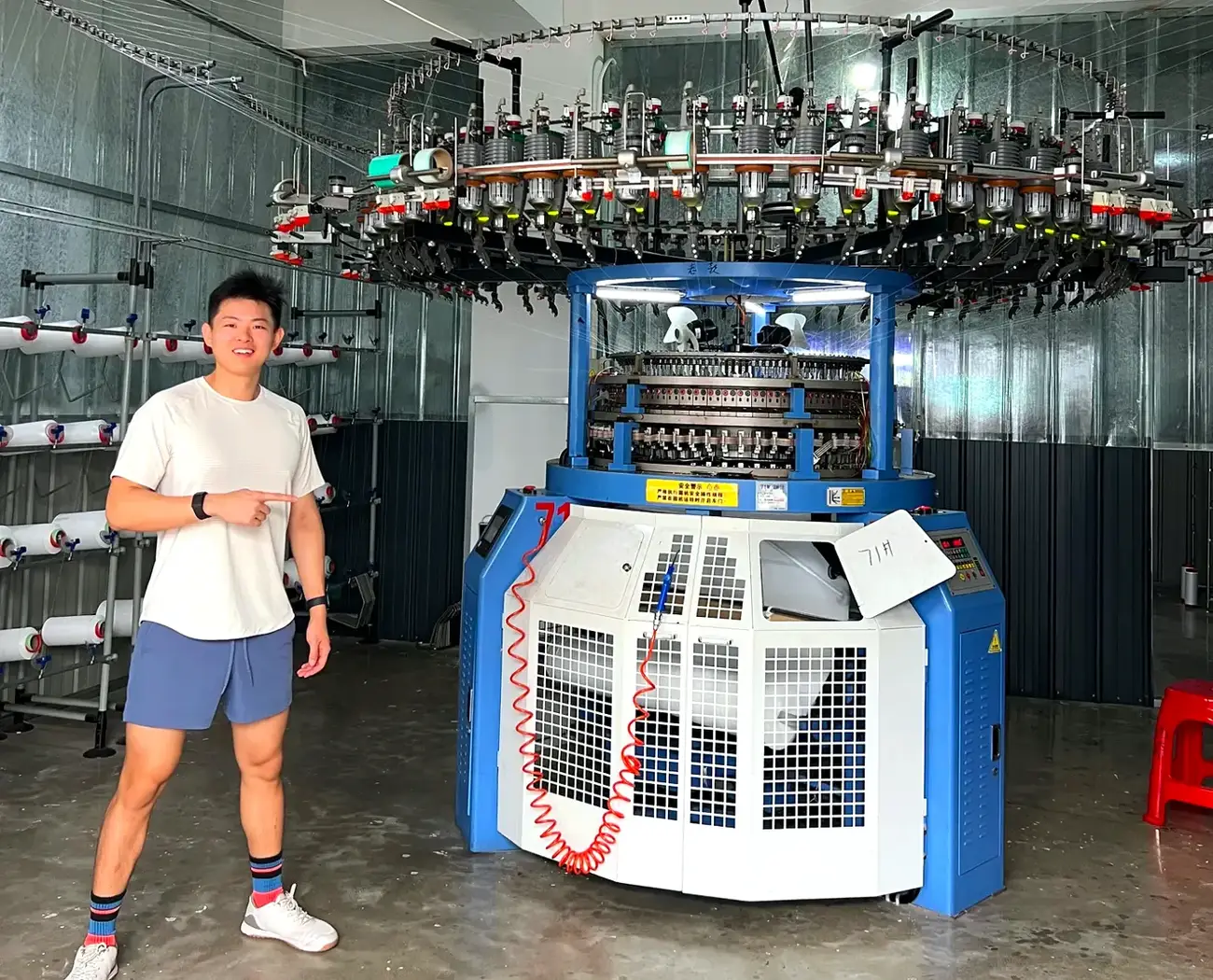
A Martindale rub count does not answer a pilling complaint. Abrasion testing measures how many rubs it takes for a fabric to break down: thin spots, holes. Pilling is a separate test with its own grade, and it is the one that matches what customers actually see.
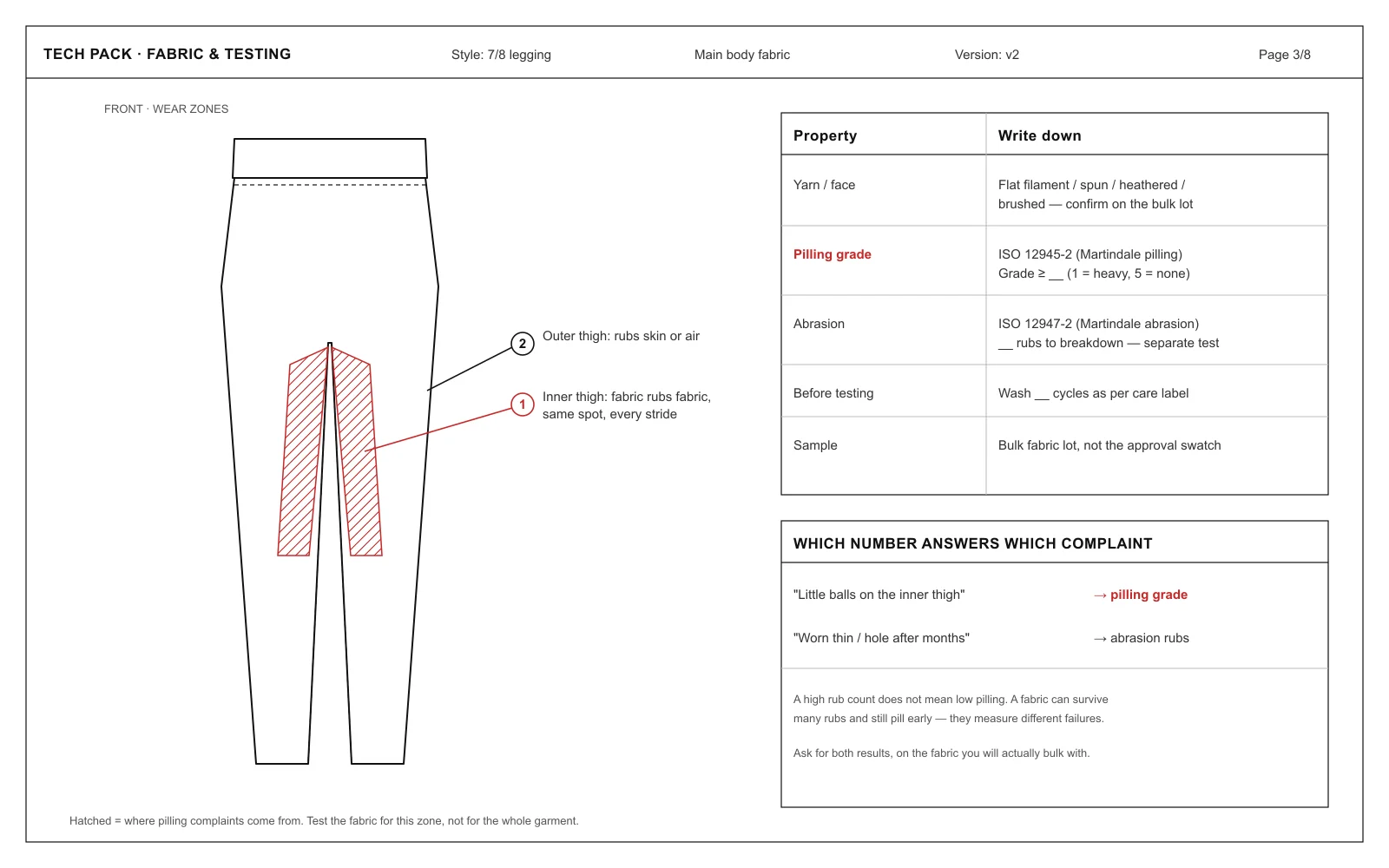
- Pilling: ISO 12945-2 uses a Martindale machine to rub the fabric and grades the surface from 1 (heavy pilling) to 5 (no pilling).
- Abrasion: ISO 12947-2 counts the rubs until the fabric breaks down. More about it in our article on the Martindale test.
A fabric can survive a high rub count and still pill early. They measure different failures. If a supplier only sends you an abrasion result, ask for the pilling grade as well.
How to prevent fabric pilling at the spec stage
Most of the fix happens before the first sample, on paper:
- Choose the face for the zone. For leggings, shorts and anything with thigh-on-thigh contact, a flat filament face pills far less than a brushed or spun one.
- Put a pilling grade on the tech pack. Write the test method and the minimum grade next to the fabric, not only the rub count. Our guide to what goes into a tech pack shows where it sits.
- Test after washing. A fabric that grades well straight off the roll can change after a few washes. Test on washed fabric.
- Test the bulk lot, not only the approval swatch. Yarn and finishing can vary between lots.
- Be careful with anti-pilling claims. Anti pilling fabric finishes can help, but the claim only means something with a pilling grade after washing behind it.
Care instructions that reduce pilling
Care does not fix a fabric that pills, but it slows it down, and it belongs on the care label:
- Wash inside out, so the face is not rubbing the drum and other garments.
- Keep activewear away from rough items in the wash: towels, denim, hook-and-loop fasteners.
- Use a gentle cycle and skip high-heat tumble drying.
Making leggings that do not pill
If you are developing leggings, shorts or training tights, send us your target fabric or a reference garment and tell us where your customers see pilling. We make leggings for activewear brands and can talk through fabric options before sampling. Our minimum is 500 pieces per colour per style. Get in touch.
Originally shared on Instagram: @william.activewear.factory