Making a Greener

Sustainable Activewear Manufacturing

Solar Panels

Powering Our Future

As part of our long-term sustainability strategy, New Dong Huang operates an on-site solar power system that supplies approximately one-third of our factory’s total electricity demand.

By generating clean energy in-house, we reduce reliance on external power grids and lower the carbon footprint of every production run without compromising efficiency or output stability.

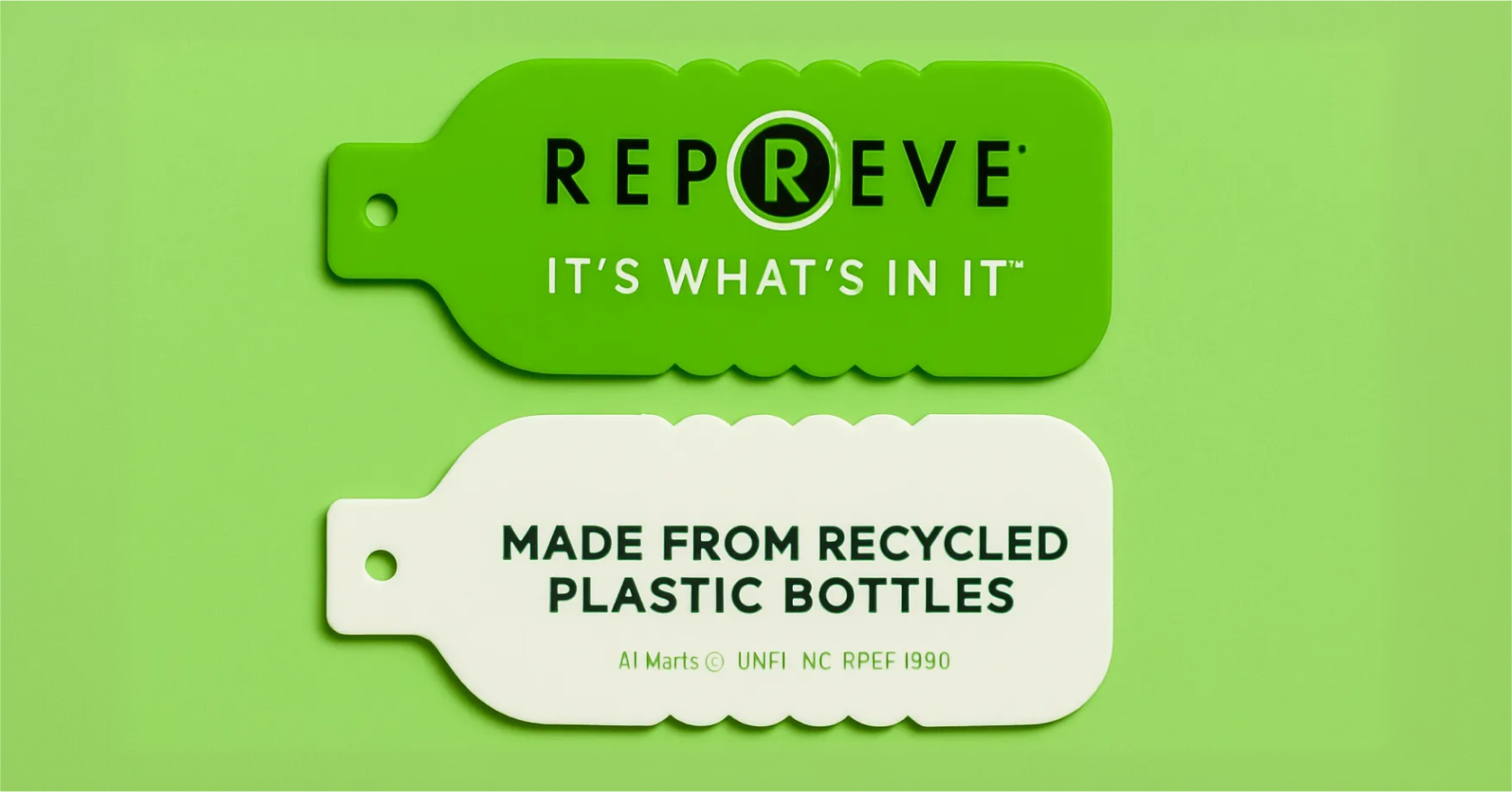
Using recycled / bio-degradable materials, (eg fabrics, poly bags, swingtags, strings.)
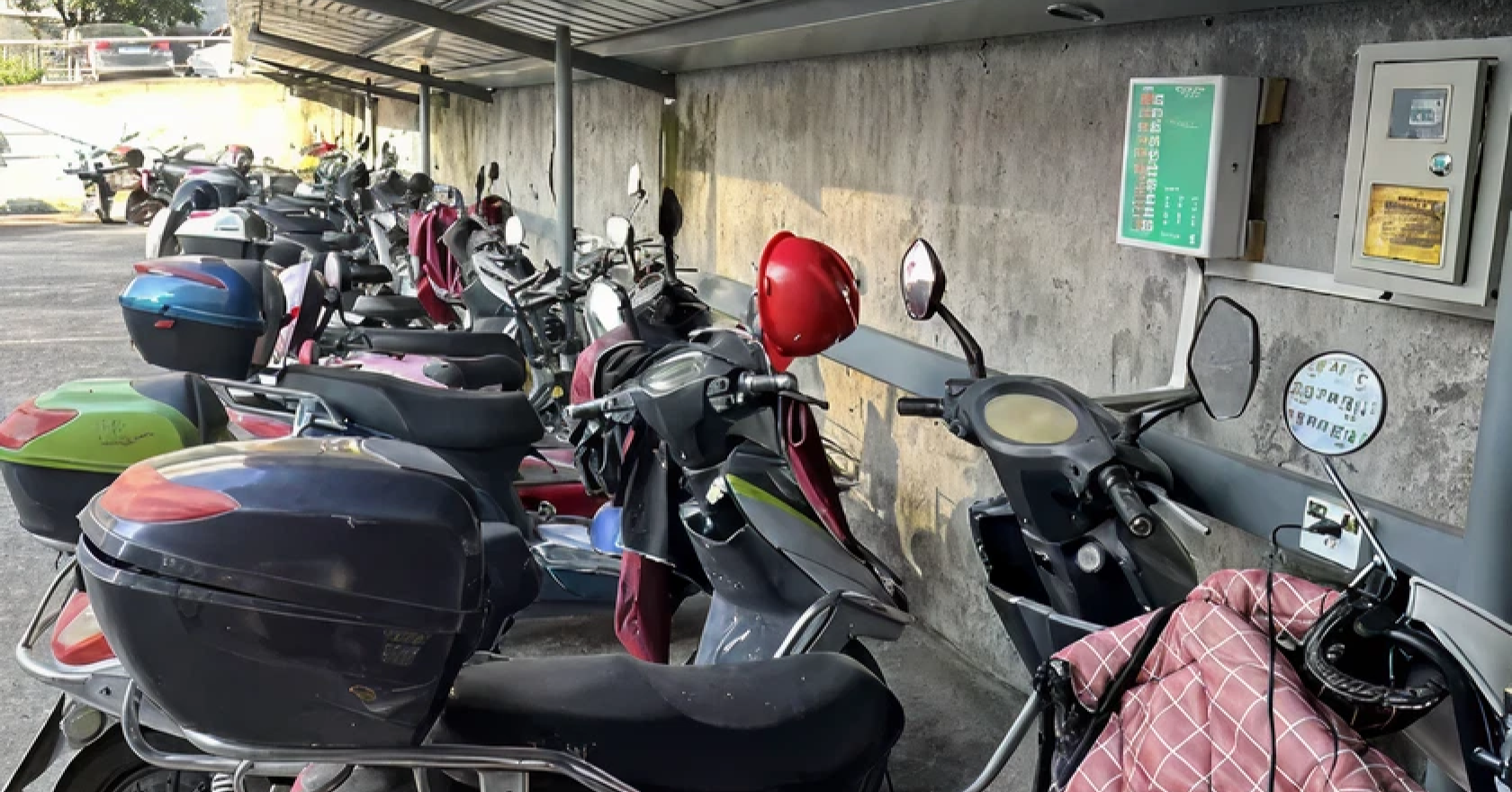
Install intelligent charging piles which will automatically shut down power when fully charged. This reduces electricity consumption and ensures safe charging.
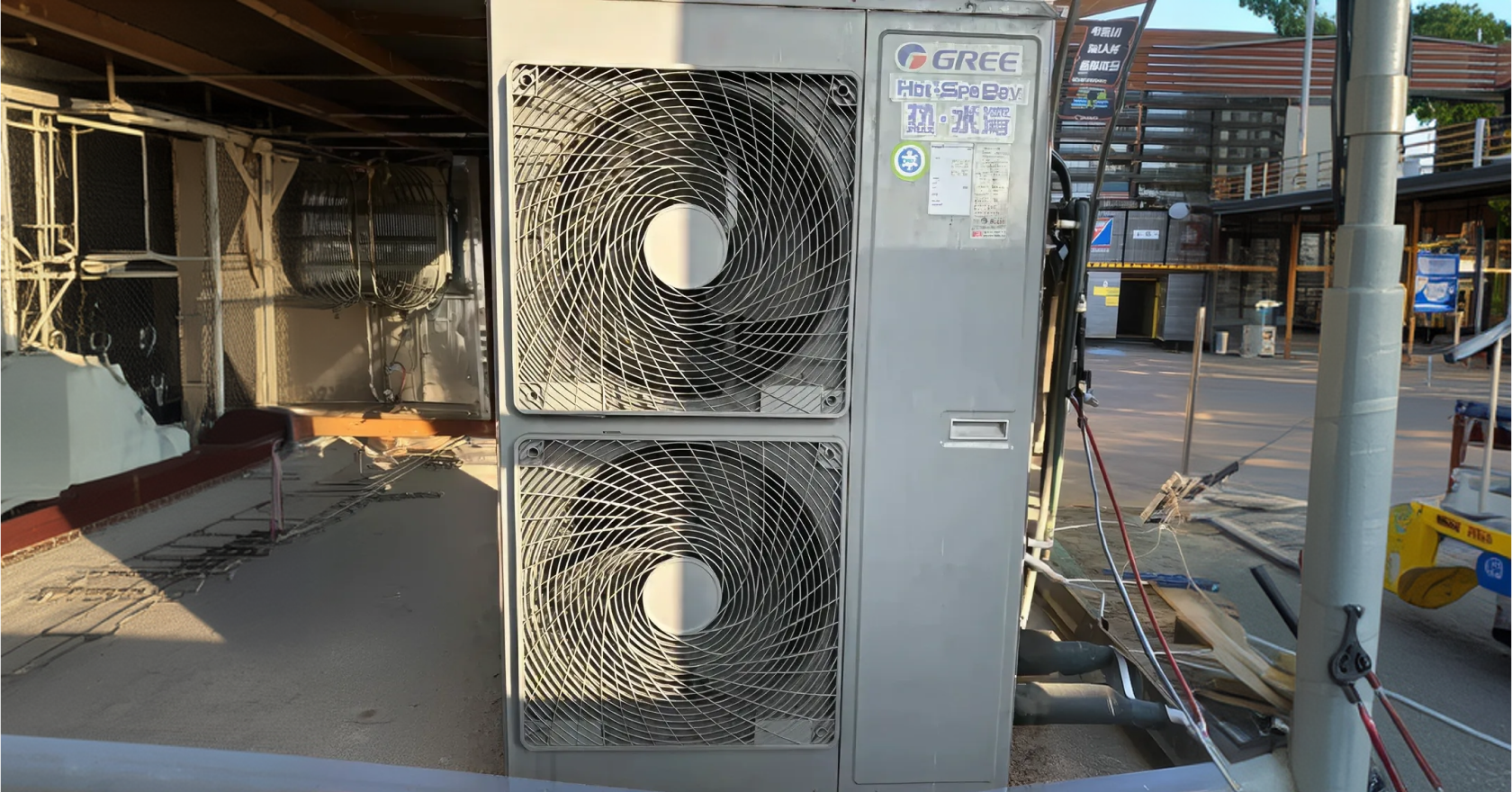
Using air energy water heater to replace the use of coal which reduces energy consumption and air pollution for domestic use.
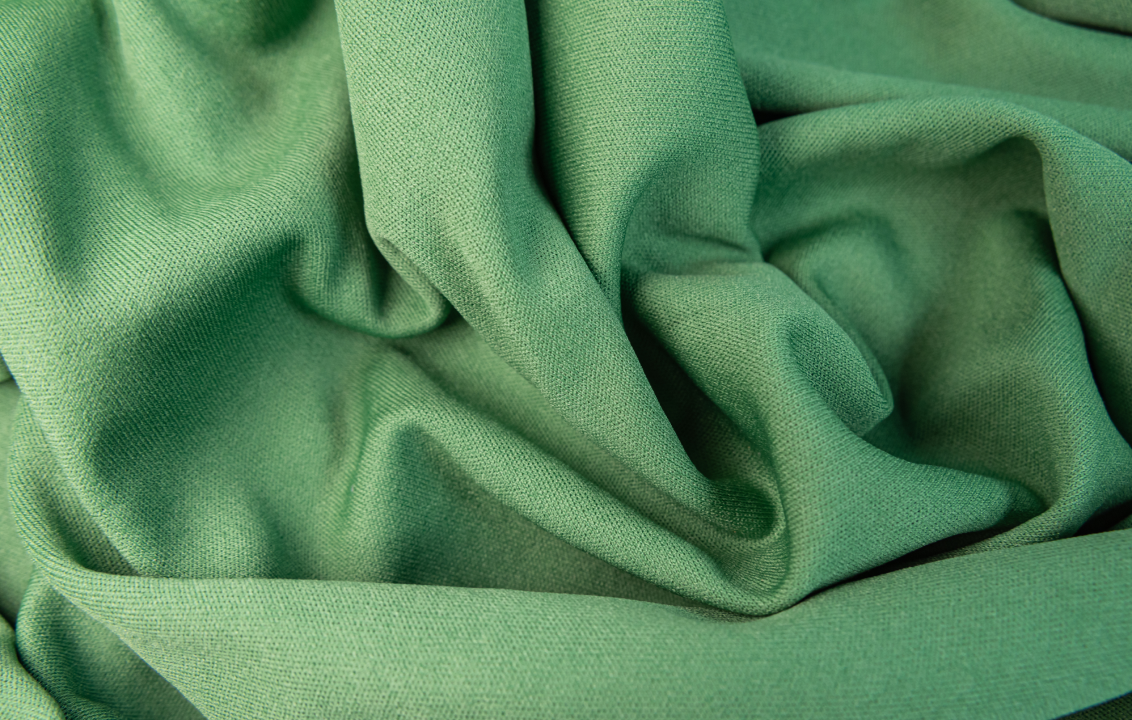
Sustainable Fabrics

Recycled, Natural &
Wood-Pulp Fibres

We work in two directions. Recycled synthetics: polyester and nylon spun from post-consumer bottles, discarded fishing nets and reclaimed carpet. And lower-impact natural and wood-pulp fibres: merino wool, lyocell and bamboo. Which one suits a style depends on what the garment has to do — recycled nylon and polyester where you need stretch, recovery and colourfastness, natural and cellulosic fibres where you need softness next to the skin.

ECO-POLYESTER

Recycled polyester spun from post-consumer bottles. Performs like virgin polyester for stretch, recovery and colourfastness, and can be run on GRS-certified stock.
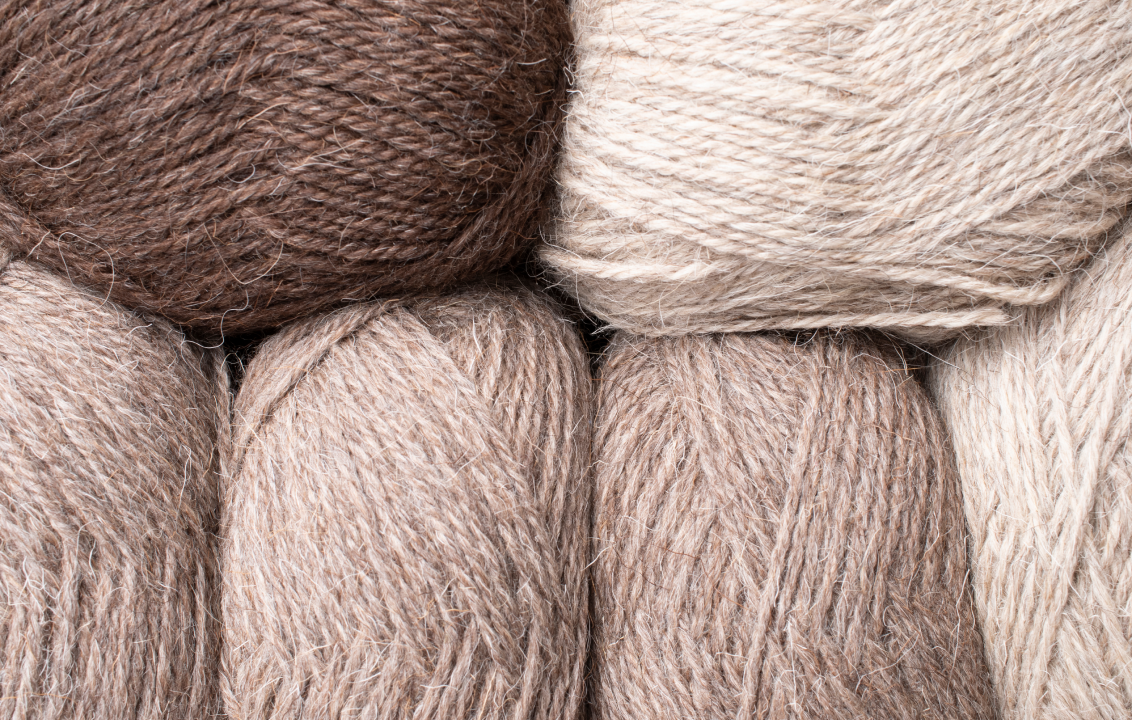
NATURAL MERINO WOOL

Fine merino for next-to-skin layers. Warm when damp and naturally odour-resistant; usually blended with nylon for abrasion resistance.

TENCEL LYOCELL

Lyocell from wood pulp, made in a closed-loop solvent process. Smooth, highly absorbent, and easy to blend with elastane for studio styles.
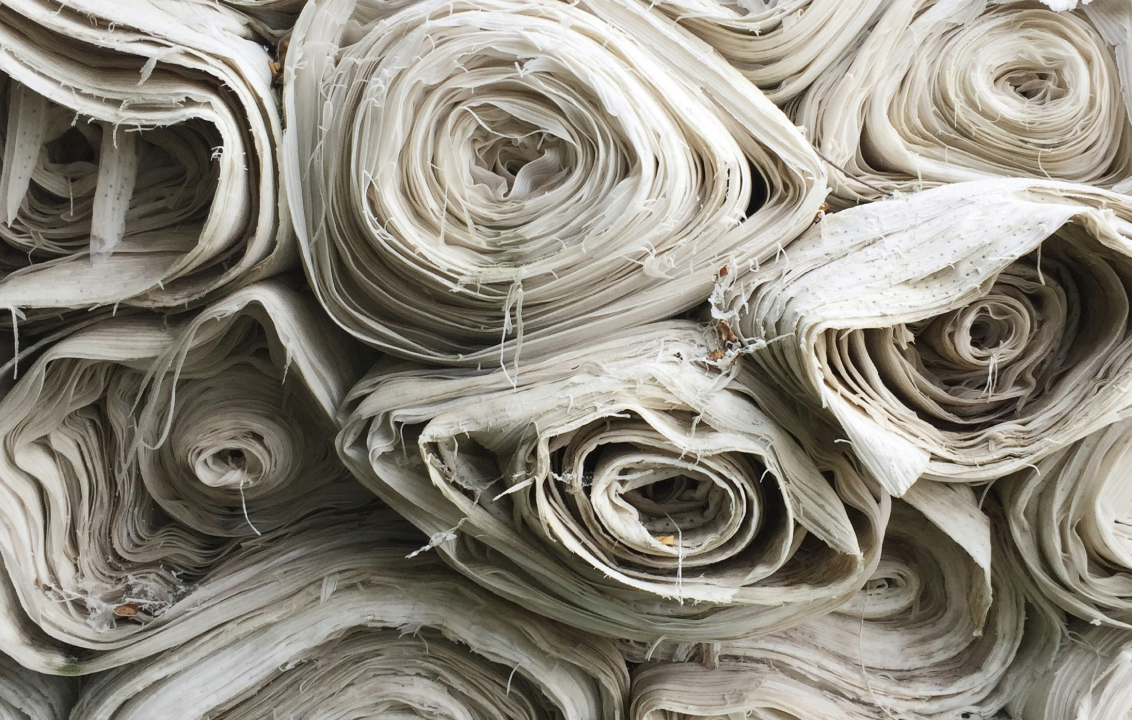
BAMBOO FABRIC

Soft, smooth and highly absorbent. Worth knowing: almost all bamboo fabric is chemically regenerated viscose, not a mechanically processed fibre — we will tell you which you are getting.
Our certifications, and what each one actually covers:

  • GRS (Global Recycled Standard) — verifies recycled content and tracks it through each stage of the supply chain, alongside social and environmental criteria.
  • OEKO-TEX Standard 100 — every component of the garment tested against limits for harmful substances.
  • bluesign — manages the chemical inputs used in dyeing and finishing, rather than only testing the finished fabric.
  • BSCI and WRAP — social compliance audits covering working hours, pay, and health and safety.
  • Sedex (SMETA) — an audited report on labour, health and safety, environment and business ethics that we can share with you directly.

Certificates and audit reports are available on request, and a GRS transaction certificate can be issued for a recycled-content order.

GRS Global Recycled Standard certification

Biodegradable Packaging

Reducing Environmental Impact

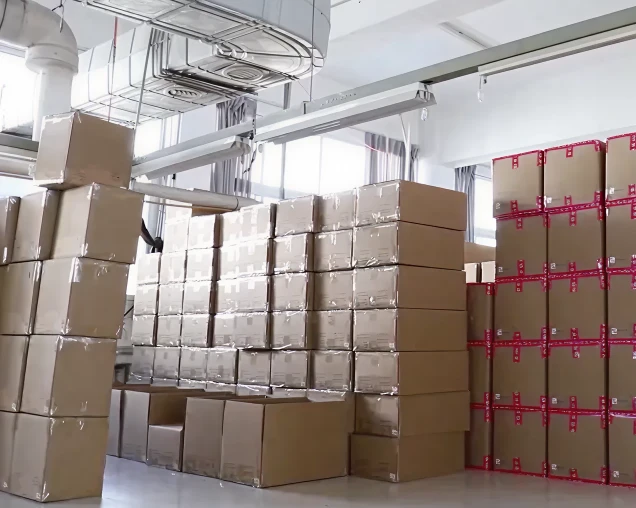
Packaging is specified per order. We run recycled or biodegradable poly bags, swing tags, strings and cartons where a brand asks for them, and we can work to your own packing spec or your nominated packaging supplier.

Why It Matters?

Most brands ask about sustainability because a retailer or a customer is asking them. What helps in that conversation is documentation: a GRS transaction certificate for a recycled order, an OEKO-TEX number for the fabric, a current SMETA report for the factory. We keep those current and hand them over with the order, rather than asking you to take a claim on trust.

Ready to Start Your Project?

Our team is here to assist with any questions you have and help bring your ideas to life. Let’s discuss how we can work together.

×

Thank you! Your message has been sent.