Most zipper problems we see on activewear samples aren’t a zip breaking. They’re a centre-front zip that ripples down a stretch jacket like a crinkle-cut chip, or a pocket zip that digs into the hip the first time somebody squats. The zipper was fine. It was just the wrong type, or the right type sewn the wrong way.
Here is the short answer. There are three main types of zippers, named after their teeth: coil zippers (a continuous nylon or polyester spiral), molded plastic zippers (separate plastic teeth molded onto the tape) and metal zippers. On top of the tooth type, a zipper is specified by its size, whether it is open-end (separating) or closed-end, one-way or two-way, the slider, and the finish: invisible, reverse coil or water-resistant coated. For most activewear, a light coil zipper is the default, because it bends with knit fabric; molded plastic turns up on outer layers, and metal rarely belongs on a performance garment at all.
The three types of zippers, sorted by the teeth
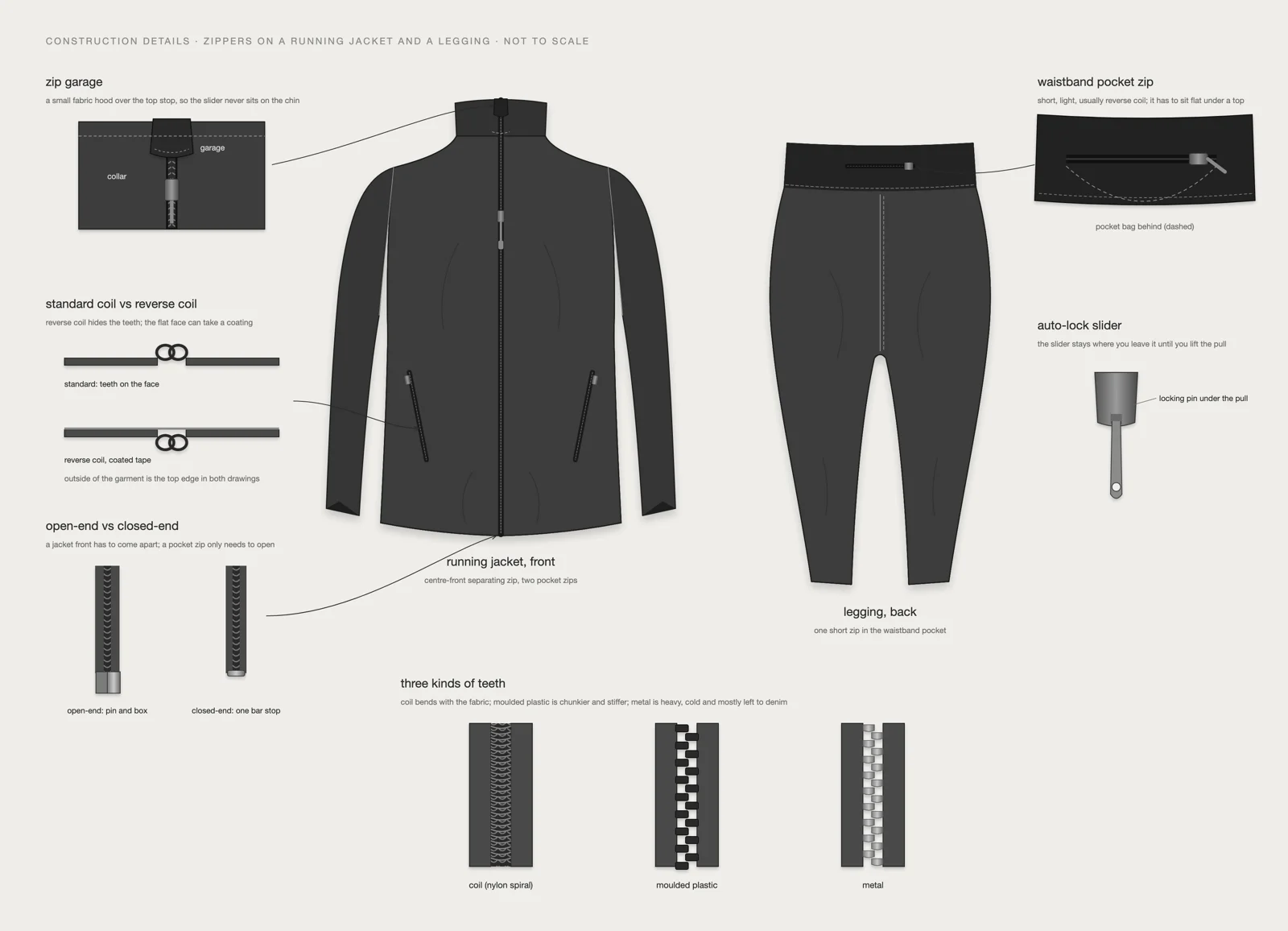
Coil. Two spirals of nylon or polyester monofilament, stitched onto the tape and pulled together by the slider. It’s light and flexible in every direction, which is why it’s on almost every legging pocket, quarter-zip and running jacket. The catch is that it’s the easiest to split if the size is too small for the job.
Molded plastic. Individual teeth injection-molded straight onto the tape (YKK sells its version as Vislon, which is why some tech packs just say “Vislon”). Chunkier and stiffer: good on a windbreaker where you want the zip seen, usually too rigid on a stretch knit.
Metal. Brass, aluminium or nickel teeth clamped on one by one. Strong, heavy and cold against the skin. We’d keep it on denim; on a training top it’s there for looks, and the wearer finds out on the first cold morning.
The rest of a zipper spec, one word at a time
A good zipper line on a tech pack reads something like: “#5 reverse coil, open-end, one-way, auto-lock slider, matte finish, tape colour-matched to body, with zip garage.” Every word in that line is a decision.
The size number. #3, #5, #8 and so on. The number is roughly the width of the closed teeth in millimetres, so a bigger number is a stronger, heavier zip. On activewear, #3 is the usual size for pockets and #5 for a jacket or quarter-zip front. Going up a size “to be safe” is how a light jacket ends up with a heavy front.
Open-end or closed-end. An open-end (separating) zip comes fully apart at the bottom, with a pin on one side and a box on the other. Any jacket that opens all the way needs one. A closed-end zip has a single bar stop and only opens down to it: pockets, quarter-zips, a short neck zip. A two-way zip adds a second slider so a long jacket opens from the bottom too.
Standard, reverse or invisible. A standard coil shows its teeth on the outside. A reverse coil is the same zip turned inside out: the teeth sit behind, and the face is the flat back of the tape, which looks cleaner and can carry a water-resistant coating. An invisible zip hides the teeth inside a seam so only the pull shows. On a legging waistband pocket, reverse coil is the common choice, because it lies flat under a top.
Water-resistant. A coil zip with a polyurethane coating on the tape face. It slows water down but doesn’t make a jacket waterproof on its own, and it’s stiffer than plain coil, so skip it on pockets that never see rain.
The slider. An auto-lock slider has a small pin under the pull: let go and the slider stays where you left it, lift the pull and it moves. That’s what you want on a jacket front, so it doesn’t creep open while running. Non-lock sliders are fine on pockets. The pull (a cord, a rubber tab, a molded puller with your logo) is where brands add their own detail.
Where zippers go on activewear
Most activewear ranges only use a handful of zip positions. A full-zip jacket takes an open-end #5 front, usually with a garage at the top: a small fabric hood that covers the top stop so it doesn’t rub the chin. A quarter-zip uses a closed-end zip of the same size. Leggings and running tights take one short #3 zip on a back waistband pocket, and shorts often take one on the back pocket too.
Our view: pick one or two zip specs and use them across the range. The same coil, the same pull and the same tape colour on the jacket, the tights and the shorts is easier to colour-match, easier to reorder, and makes the collection look like it belongs together. Five different zips for five styles is five more things that can arrive in the wrong shade.
Why a zip waves on stretch fabric
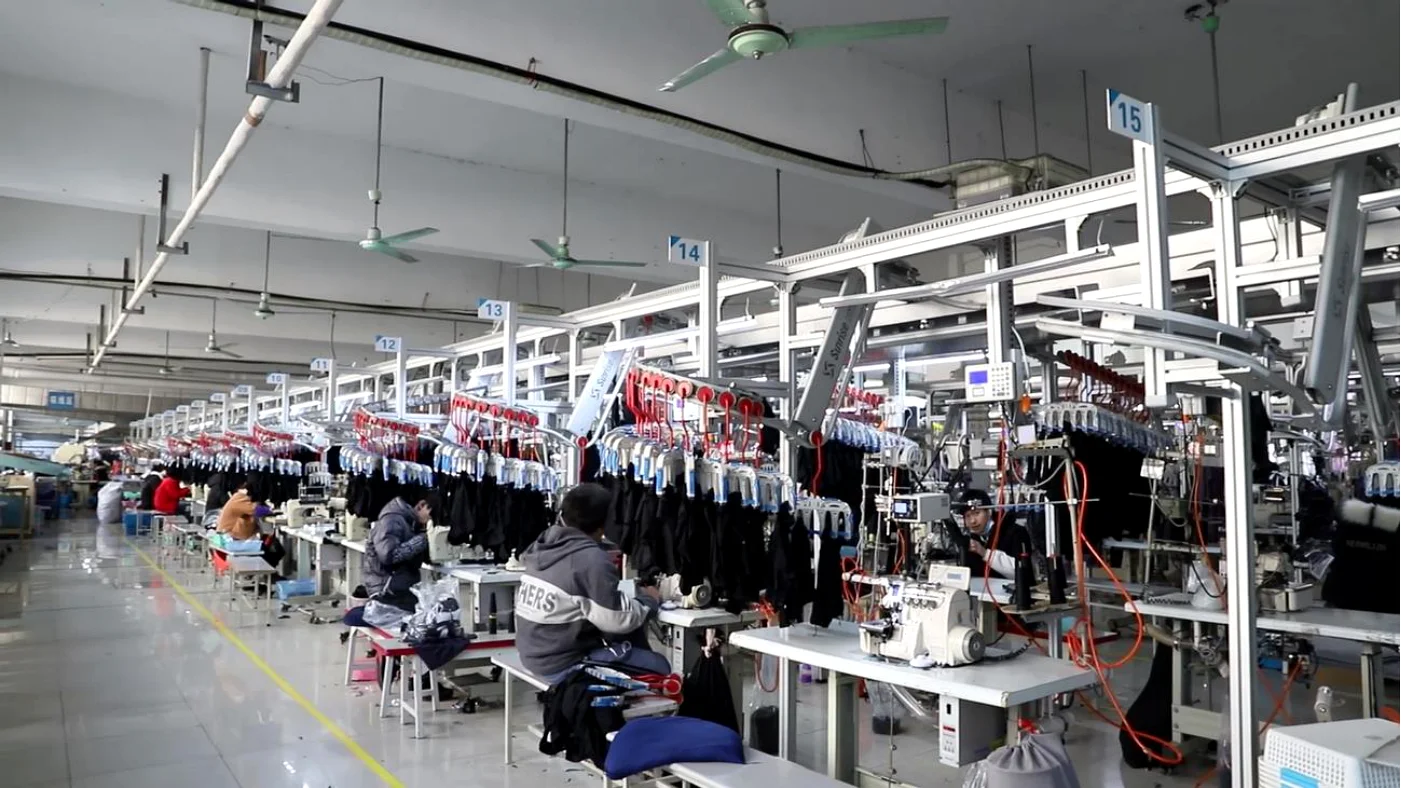
This is the part only the sewing line tells you. A zipper tape barely stretches. The fabric around it, on most activewear, does. When the two are sewn together on the machine, the knit stretches slightly as it’s fed and then relaxes, and the zip ends up longer than the fabric beside it. The result is that wave down the front.
The fixes are boring and they work: a strip of fusible stay tape along the zip opening so the fabric can’t stretch while it’s sewn, a lighter zip that matches the fabric weight, and a pattern where the zip opening is cut on the stable direction of the knit. A sample with a wavy zip doesn’t usually need a new zip. It needs one of those three.
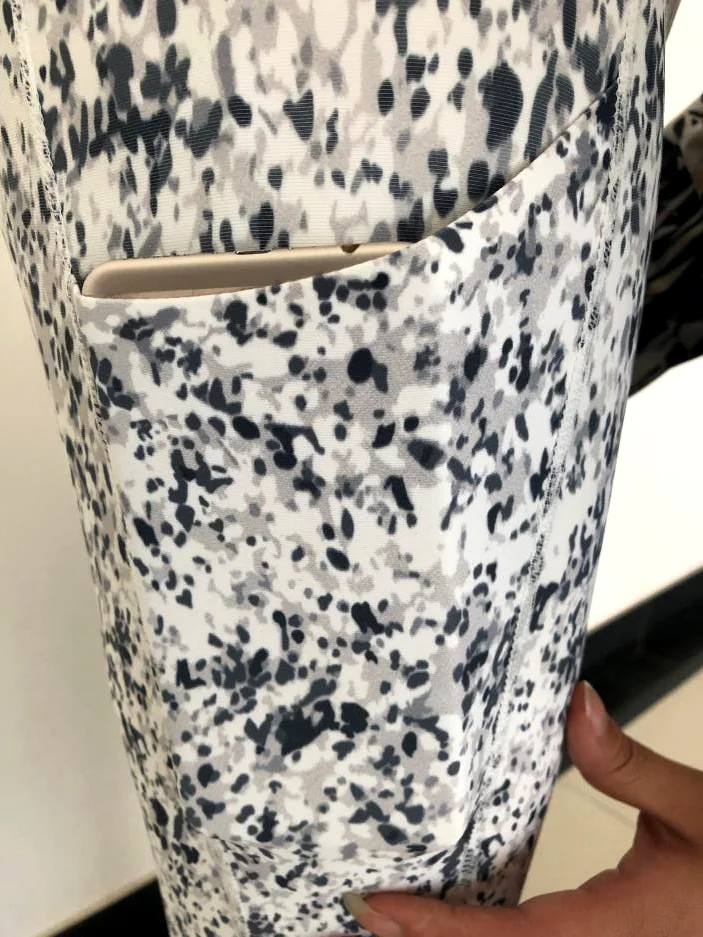
Pockets have their own version. Put a zip where the body folds (the front of the hip on a legging) and it digs in on every squat, which is why waistband pockets sit at the back.
What about zipper brands?
YKK is the name most tech packs ask for, and for good reason: it’s widely available, consistent, and almost every factory has worked with it. SBS is a large Chinese zipper maker with a wide sportswear range. If your tech pack names a brand, that’s the brand the zip should be. If it doesn’t, ask which one your factory plans to use and see it on the sample, along with the puller.
Whichever brand you choose, the slow part is usually colour: zip tape gets dyed to match your fabric, and it’s a separate approval from the fabric itself. Ask for the zip and the body fabric to be approved side by side, under the same light. It saves a lot of “why is the zip a bit greener” emails.
Developing zips with a factory
Put the full zipper line in your tech pack, not just “YKK zip”. Size, type, end, slider, finish, tape colour, puller, garage. Then check four things on the first sample: does the front lie flat, does the slider stay put when you run, does the pocket zip stay out of the way when you squat, and does the tape colour match the fabric.
New Dong Huang (NDH) has made activewear in Dongyang, China since 1999: leggings, bras, shorts, and the tops and layers that go with them. Samples take 7–10 days, and the minimum order is 500 pieces per colour per style. If you’re a growing brand putting together your first jackets or zip-pocket tights, our page for DTC activewear brands explains how we usually start.
If you have a zip spec you’re unsure about, or a sample with a zip that won’t lie flat, send it to us through our contact page and we’ll take a look.